Results
Number of results: 15364
-
 MonumentsIgreja de Santa Marinha - Moreira de ReiChurch from the 12th / 13th c. in romanesque style.
-
MonumentsIgreja de Santa Quitéria de MecaJust a few kilometres from Alenquer, the basilica was built by the fraternity of Santa Quitéria de Meca, in the mid-18th century, under the royal protection of Dona Maria I.Santa Quitéria is a perfect model and example of neoclassical architecture (...)
-
MonumentsIgreja de SantiagoSituated in lower Alcácer do Sal, the church interior is covered in 18th century tiles which tell the story of some of the miracles carried out by St James.
Telephone: +351 265 622 213
-
MonumentsIgreja de Santiago, matriz de Santiago do CacémGothic church from the 13th c., modified in the 16th c. in manueline style.
-
-
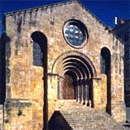 MonumentsIgreja de Santiago - CoimbraDocuments say that this church was consecrated in the year 1206, but there is a tradition that places its foundation in the time of Fernando I, king of León, who, on recapturing Coimbra from the Moors in 1064, founded a church dedicated to St. James (...)
-
 MonumentsIgreja de Santiago de PalmelaLocated within Palmela castle, the convent´s construction was ordered at the beginning of the 15th century by king João I, grand master of the Order of Santiago. In 1443, it became the headquarters of Order and remained so through to 1834, when (...)
Telephone: +351 212 331 669
-
MonumentsIgreja de Santiago e capela anexaChurch from the 14th / 15th c. in romanesque and gothic styles.
-
MonumentsIgreja de Santiago Maior, Matriz de AdeganhaIgreja de Santiago Maior, Parish Church of AdeganhaDedicated to Santiago Maior (St. James the Greater), the parish church of Adeganha is a fine example of mediaeval architecture from the north-eastern region of Trás-os-Montes. Built in the 13th (...)
-
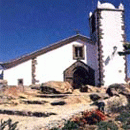 MonumentsIgreja de Santiago - MarvãoIn 1321, the Igreja de Santiago and the nearby Igreja de Santa Maria were the two parish churches of Marvão. They both belonged to the Order of the Hospital, which in religious terms was dependent on the Priorate of Crato. Later, they were joined (...)